
Contactusing turmeric as a spice/food is generally safe concentrated supplements can cause side effects (liver, bleeding risk) at high doses consult a doctor for long term supplement use
Get in Touch
Numbers
Business Hours
- Monday TO Friday ---10am-4pm
- Saturday — 10am – 2pm
- Sunday — Closed
🌿Simple & Professional
Have a Question?
We’d love to hear from you! Whether you have a question about our natural herbal products, need help choosing the right remedy, or just want to share your experience — send us a message given below down.
🍀 Ayurvedic / Wellness Vibe
Connect with Nature’s Touch
We believe in healing through nature. Reach out to us with your questions about herbs, ayurvedic care, or product details — our wellness team is happy to help.

Business / Wholesale Contact
Partner With Us
Interested in stocking our herbal products or collaborating with us? Fill out the form below and we’ll get in touch soon.
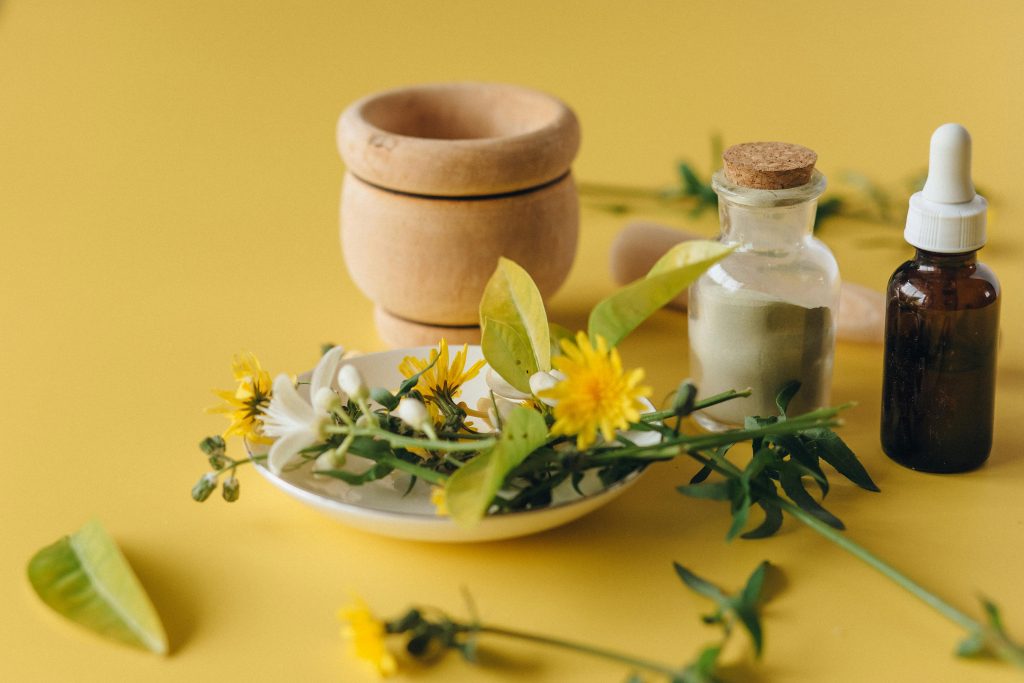
Quick herbal remedies
Ginger — for colds, sore throat, nausea, digestion
Use: fresh ginger tea (slice 1–2 cm ginger, simmer 5–10 min, strain; add honey/lemon to taste). Ginger is anti-inflammatory and soothes sore throats and nausea. NCBIHoney (raw) — for cough & sore throat
Use: 1 tsp honey in warm water/ginger tea at night to soothe cough. (Do not give honey to infants <12 months.) Evidence supports honey for symptomatic cough relief. HealthlineTurmeric / curcumin — for general inflammation, joint pain
Use: golden milk (¼–½ tsp turmeric in warm milk with a pinch of black pepper to help absorption). Turmeric has anti-inflammatory effects, but concentrated supplements can interact with medicines and cause side effects at high doses. Start low and consult a clinician for supplement dosing. PMC+1

what to use & why
1. Holistic Healing (Mind–Body–Spirit Balance)
Ayurveda believes true health means harmony between body, mind, and spirit — not just the absence of disease.
It focuses on balancing the three doshas (Vata, Pitta, Kapha) through diet, herbs, and lifestyle.
2. Natural Ingredients
Ayurvedic medicines use herbs, roots, minerals, and natural oils — avoiding most synthetic chemicals.
People choose them because they prefer gentle, plant-based remedies that work with the body’s natural healing systems.
3. Long-Term Wellness
Many use Ayurvedic medicine for chronic conditions (like stress, joint pain, digestion issues, or skin problems) because it aims to treat root causes rather than just symptoms.
🌿 Common Ayurvedic Herbs & Their Uses
| Herb | Traditional Use | Common Form |
|---|---|---|
| Ashwagandha | Reduces stress, improves energy | Powder, capsule |
| Turmeric (Haldi) | Anti-inflammatory, supports joints | Powder, tea, capsule |
| Tulsi (Holy Basil) | Boosts immunity, supports lungs | Tea, tincture |
| Triphala | Aids digestion & detox | Powder, tablet |
| Amla (Indian Gooseberry) | Vitamin C source, improves skin & immunity | Juice, powder |